Quick Answer
Austin’s best restaurants in 2026 span world-class fine dining at Uchi ($85-150/person omakase), legendary BBQ at Franklin Barbecue (arrive by 8 a.m., no reservations), and the definitive breakfast taco at Veracruz All Natural ($8-15). Book Uchi through Resy 30+ days out, plan your BBQ morning for a weekday to cut the wait, and trust East Austin and South Congress as your two most rewarding dining neighborhoods.
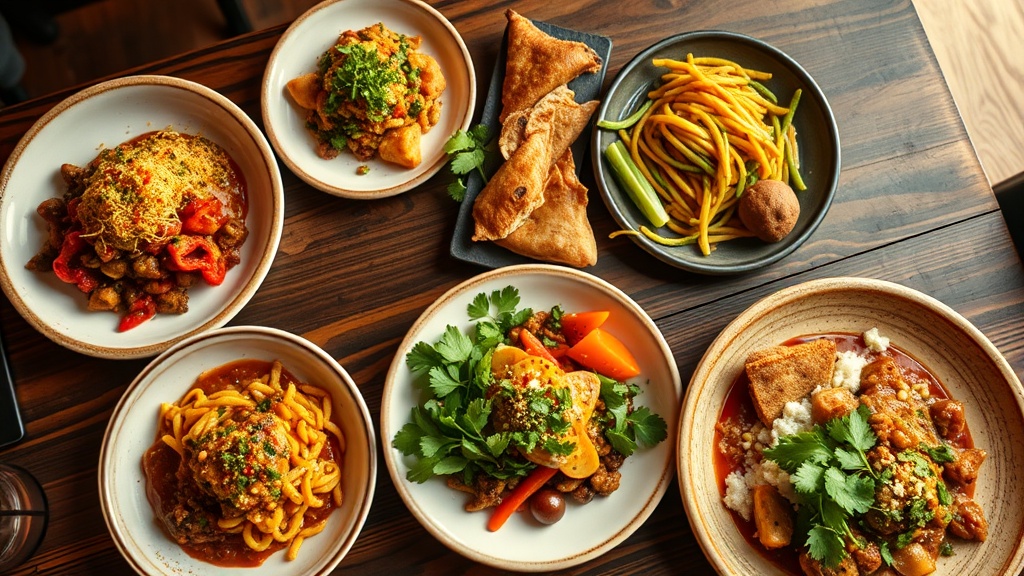
Austin’s Restaurant Scene in 2026
Austin has always had good food. But somewhere between the food truck explosion of the early 2010s and today, this city became a serious dining destination – one that food writers from New York and Los Angeles make trips to specifically to eat. That shift didn’t happen by accident.
The foundation is Texas itself. The Hill Country surrounding Austin produces some of the best beef, peaches, lavender, and goat cheese you’ll find anywhere in the country. Chefs here have built direct relationships with ranchers in Fredericksburg and Dripping Springs, with farms outside Bastrop, with fishermen along the Gulf Coast a few hours south. That access to exceptional ingredients has pushed Austin’s culinary identity well beyond the Tex-Mex and barbecue it was once primarily known for.
And those original traditions haven’t suffered. If anything, they’ve gotten better. The barbecue culture alone would make Austin worth visiting. Pitmasters who trained under legends have opened their own spots, raising the bar on what slow-smoked central Texas brisket can be. The taco culture – from breakfast through late night – is genuinely world-class. Matt’s El Rancho has been feeding Austin since 1952. Veracruz All Natural has a line before 9 a.m. These aren’t trends. They’re institutions.
What’s changed is the layer on top of all that. The Austin Food and Wine Alliance has spent years cultivating a community of chefs who invest in local sourcing, sustainable practices, and culinary education. That community ethos shows up in the restaurants. You see it at Emmer and Rye, where the menu changes based on what the farm delivered that morning. You see it at Odd Duck, where the staff can tell you exactly which ranch produced the pork on your plate.
Texas Monthly has tracked this evolution closely, and their restaurant rankings increasingly reflect what food professionals already know: Austin belongs in the same conversation as Chicago, San Francisco, and New Orleans when it comes to dining depth and originality. The city now offers genuine tasting menu experiences, exceptional ramen and omakase counters, Oaxacan mole that rivals what you’d find in Mexico City, and farm-to-table cuisine that reflects a specific place and season rather than a vague marketing concept.
If you’re visiting Austin, eating well here is not a passive experience. The best spots require planning. Reservations at Uchi can disappear 30 days out. Franklin Barbecue sells out before noon. The city rewards visitors who research ahead, but it also generously feeds anyone who wanders through SoCo or East Austin without a plan and trusts the lines forming outside small storefronts. Planning your meals around where you’re staying in Austin is a smart way to make the most of your time without fighting traffic across town for every meal.
The city’s growth has added pressure on longtime favorites, but it has also brought talented chefs from across the country who recognized Austin as a place where they could build something original. The food scene here in 2026 is the best it has ever been – and that’s a sentence Austin residents have been saying for five years running, each time meaning it a little more than the last.
Best Fine Dining Restaurants in Austin
Austin doesn’t have Michelin stars yet – the guide hasn’t formally evaluated the city as of 2026 – but several restaurants here would compete at that level without question. The fine dining scene is anchored by a handful of consistently excellent kitchens, and all of them require advance planning.
Uchi
Uchi is the restaurant that put Austin fine dining on the national map. Chef Tyson Cole, a James Beard Award winner, built a Japanese-influenced menu that draws from omakase traditions while incorporating Texas ingredients in genuinely creative ways. The tasting menu runs $85-150 per person, and the sake pairing is worth every dollar. The atmosphere is intimate and warm – not stiff or ceremonial, which is part of why it works so well for celebrations and first-time visitors alike. Book through Resy at least 30 days out, ideally more for weekend dates. The hot tofu appetizer and the wagyu nigiri are mandatory if you’re going a la carte. The fish sourcing alone – daily deliveries from Japan alongside Gulf Coast relationships – gives the kitchen options that most landlocked city restaurants can’t touch.
Odd Duck
Odd Duck started as a food trailer – which tells you something important about Austin’s culinary culture. Chef Bryce Gilmore turned that trailer concept into one of the city’s most celebrated restaurants, earning James Beard nominations along the way. The menu is contemporary American with heavy Hill Country influence: small plates built around seasonal Texas produce, local ranched meats, and fermented or foraged elements that most kitchens wouldn’t attempt. Budget $60-85 per person and plan on sharing multiple courses. The restaurant has formal partnerships with several Hill Country producers and lists sourcing information on the menu itself, so you’re never left guessing where your food came from. Reserve 1-2 weeks out on Resy.
Barley Swine
Another Bryce Gilmore concept, Barley Swine in East Austin focuses on small plates and a constantly rotating menu. The cooking here leans more experimental than Odd Duck – dishes built around smoked vegetables, unusual grain preparations, and proteins you wouldn’t expect to see on any other menu in the city. Budget $50-75 per person. Reserve 2-3 weeks in advance. The tasting menu format works best here; going a la carte means you miss the narrative the kitchen is building across a full meal. I’d prioritize this spot for a return Austin visit once you’ve done Uchi and Odd Duck on a first trip.
Emmer and Rye
Emmer and Rye operates something close to a dim-sum-style service for contemporary American food. Small carts circulate through the dining room carrying seasonal dishes; you flag down what looks good. The sourcing is meticulous – the restaurant is named after heritage grain varieties, and that level of ingredient obsession extends to everything on the menu. Chef Kevin Fink’s relationships with Hill Country farms are central to the concept, and house-milled heritage flours go into the bread and pasta. $45-65 per person. Located on South Congress with a patio that fills quickly on weekends, so request it when you book.
Aba Austin
A relative newcomer that has earned serious attention, Aba brings a Mediterranean-influenced menu to the Second Street District that feels more cosmopolitan than most of Austin’s fine dining options. The mezze spreads, wood-fired preparations, and cocktail program are all genuinely strong. $55-80 per person. Reservations recommended 1-2 weeks out. The rooftop terrace is particularly worth requesting in spring and fall when the weather is cooperative – it’s one of the better outdoor fine dining settings in downtown Austin.
Reservation Strategy
Both OpenTable and Resy handle most Austin fine dining reservations. Check both platforms – some restaurants list exclusively on one. For Uchi specifically, set a reminder for exactly 30 days before your target date and check at midnight when new reservation slots open. Cancellations do appear throughout the week, so checking a few days before your trip is worth doing even if the initial release was fully booked.
Top BBQ Restaurants in Austin
Central Texas barbecue is its own cuisine. No sauce, no finishing glaze – just beef and smoke and time. The brisket that comes out of Austin’s best pits has a bark so deeply seasoned and a smoke ring so pronounced that it barely resembles what most of the country calls barbecue. If you’ve never eaten real central Texas brisket, Austin will ruin you for everything else.
For a deeper exploration of smoking methods, regional style variations, and a full roster of additional pits worth visiting, check out the detailed Austin BBQ guide – what follows here are the essential stops.
Franklin Barbecue
Franklin is the most famous barbecue restaurant in America, and the reputation is earned. Aaron Franklin’s brisket – smoked overnight with post oak wood, sliced thick with an unbroken pepper-and-salt bark – is the benchmark everything else in Austin gets measured against. The line starts forming by 7 a.m. on weekends. The restaurant opens at 11 a.m. and routinely sells out by 1 p.m. or earlier. No reservations. First-come basis only. Budget $18-28 per pound for brisket, $5-8 for sides. Lunch only, Tuesday through Sunday. The wait is real. It is also genuinely worth doing at least once – bring a friend, a book, and a folding chair if you have one.
la Barbecue
La Barbecue on East Cesar Chavez is the local’s answer to Franklin. The brisket is exceptional – LeAnn Mueller learned her craft in a barbecue family and it shows in every detail, from the smoke penetration to the way the fat renders. Prices run $16-24 per pound. Walk-in only, but if you arrive by 9 or 10 a.m. on weekends, your wait will be manageable. The jalapeno cheese sausage here is arguably better than any competitor in the city. Lunch only on most days.
Micklethwait Craft Meats
Micklethwait operates out of a trailer on East 6th and produces some of the most thoughtful barbecue in Austin. Tom Micklethwait rotates the menu constantly, which means you might find lamb ribs or duck sausage alongside the expected brisket and pork ribs. The sides are legitimately good – lemon blueberry cobbler, lemony kale slaw – which isn’t always true at Texas BBQ spots. $16-22 per pound for meats. Lunch and limited dinner service on some days.
Salt Lick BBQ
Salt Lick in Driftwood, about 25 minutes from downtown Austin, offers a completely different experience. The all-you-can-eat family-style option ($24-28 per person) is served in a massive stone pit room that feels like a Texas Hill Country ranch. The cooking style is slightly more sauce-forward than the central Texas tradition, but the experience of eating there is unlike anything else near Austin. It’s a destination meal, not a quick stop. BYOB (they’re in a dry county), cash only for alcohol, and family-style is the move.
Terry Black’s Barbecue
Terry Black’s is the right call when you need excellent barbecue without a two-hour wait. The Black family has been in the barbecue business for generations – they’re from Lockhart, the barbecue capital of central Texas – and their South Congress location delivers consistent, high-quality brisket, ribs, and sausage in a full-service restaurant format. $18-25 per pound. Open for lunch and dinner daily, which is a genuine rarity among serious Austin BBQ spots and makes it the most accessible option for visitors on a tight schedule.
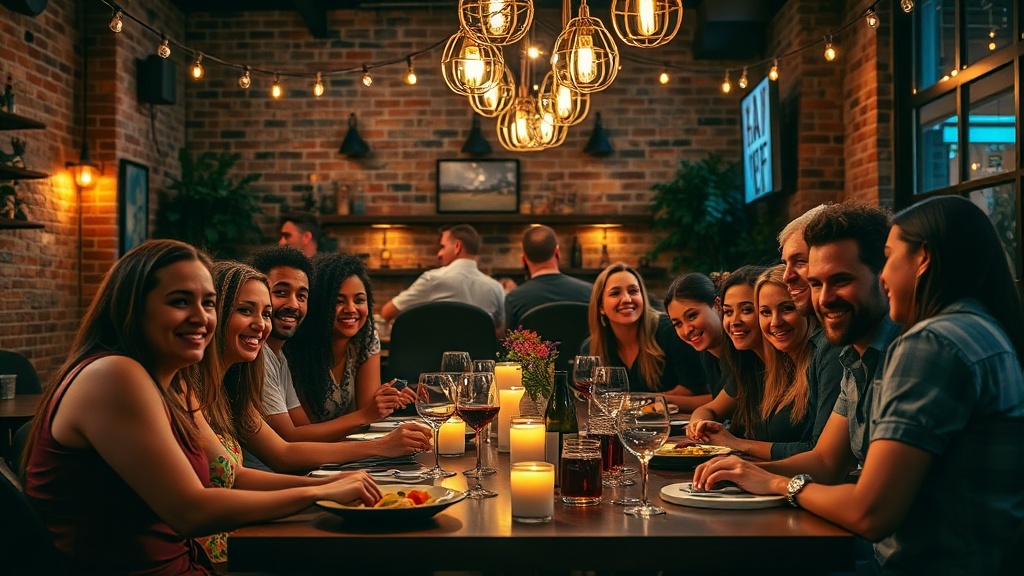
Best Mexican and Latin American Cuisine in Austin
Austin’s Mexican food scene is far more diverse than the Tex-Mex stereotype suggests. Yes, you can find excellent enchiladas smothered in chili gravy at a classic Tex-Mex institution. But you can also find Oaxacan mole negro, Yucatecan cochinita pibil, fresh-ground masa tortillas, and regional salsas that vary dramatically from restaurant to restaurant. East Austin, in particular, has become a destination for authentic regional Mexican cooking that doesn’t pander to visitor expectations.
Veracruz All Natural
The migas taco at Veracruz – scrambled eggs with crispy tortilla strips, pico de gallo, avocado, and cheese wrapped in a fresh flour tortilla – is the definitive Austin breakfast taco. I’ve eaten hundreds of breakfast tacos in this city, and nothing else consistently hits as hard. Multiple locations (SoCo, East Austin, and others), counter service, $8-15 per meal. Expect a line on weekend mornings. The papas con huevo and the bean-and-cheese on fresh flour tortillas are equally essential orders. The freshness of the tortillas – made throughout the day – is what separates Veracruz from almost everything else in the category.
Suerte
Suerte on East 6th Street elevated Austin’s masa-focused Mexican cooking to a genuinely fine-dining experience. Chef Fermin Nunez sources heirloom corn and nixtamalizes it in-house, which means the tortillas and masa-based dishes here taste fundamentally different from anywhere else in the city. The al pastor and the aguachile are both exceptional. $40-60 per person. Reservations recommended 1-2 weeks out. This is the spot for a special occasion that doesn’t require a full tasting menu format but still delivers something genuinely memorable.
Matt’s El Rancho
Matt’s El Rancho opened in 1952 and remains a family-run institution on South Lamar. The Bob Armstrong Dip – taco meat, guacamole, sour cream, and queso layered in a bowl – was invented here and has been imitated everywhere since. Classic Tex-Mex: enchiladas, chiles rellenos, fajitas, and margaritas served in a cavernous dining room that fills with extended families and regulars on weekend evenings. $16-32 per person. Reservations are recommended for weekends; the wait without one can stretch past an hour.
Fonda San Miguel
Fonda San Miguel in North Austin is a 40-year institution focused on interior Mexican cuisine rather than Tex-Mex or street food. The mole negro takes days to prepare; the cochinita pibil is slow-roasted in banana leaves. The restaurant is housed in a hacienda-style building with folk art throughout. The Sunday brunch buffet has been a local tradition for decades and remains one of the most impressive spreads in the city at $45-55 per person. Dinner runs $35-55. Reservations strongly recommended on weekends.
Discada
Discada operates out of a truck on East 6th and produces northern Mexican cowboy cooking – specifically, the traditional discada preparation where various meats are cooked together in a plow disc over fire. Rich, smoky, and deeply satisfying for $9-14 per meal. The breakfast tacos are excellent, and the lunch menu reflects genuine regional cooking that most Austin restaurants don’t attempt. It’s one of those spots that gets overlooked in favor of more famous names but consistently delivers some of the most interesting Mexican food in the city.
Ama
Ama, the sister restaurant to Odd Duck, focuses on Latin American cuisine with the same commitment to local sourcing and seasonal cooking that defines the Odd Duck ethos. The ceviche, aguachile, and wood-fired preparations draw from across Central and South America. $55-75 per person. Located on South Congress within walking distance of Odd Duck, which makes it easy to compare the two sibling concepts on the same trip or to choose based on mood rather than having to decide weeks in advance which cuisine you want.
Contemporary American and Farm-to-Table Dining
The farm-to-table movement has been co-opted and diluted in many cities to the point where it’s become a marketing phrase with no real meaning. In Austin, it means something different. The proximity to actual working farms, the culture of chef-farmer relationships, and the year-round growing season in central Texas give “local sourcing” a tangible reality that shows up on the plate in ways you can actually taste – produce that was picked two days ago rather than two weeks ago, meat from animals you can read about by name on the menu, grains milled on-site rather than ordered from a national distributor.
Emmer and Rye
Already mentioned in the fine dining section, but worth elaborating here: Emmer and Rye’s sourcing program is one of the most developed in Austin. Chef Kevin Fink visits farms regularly and builds the menu around what’s available rather than the other way around. The heritage grain focus – emmer and rye are both ancient wheat varieties – extends to house-milled flours used in bread and pasta. The dim-sum-style cart service feels playful rather than precious. Budget $45-65 per person and plan to linger. This is the kind of restaurant where two hours passes without noticing.
Odd Duck
Odd Duck’s farm connections are central to the menu’s identity. The restaurant has formal partnerships with several Hill Country producers and lists sourcing information on the menu itself – you know exactly which ranch produced the pork on your plate. Chef Bryce Gilmore uses the whole animal, builds dishes around vegetable-forward preparations, and ferments or preserves throughout the season. The constantly rotating menu means no two visits are identical. This is where I’d send any serious food traveler who wants to understand what contemporary Austin cooking actually represents right now.
Foreign and Domestic
Foreign and Domestic in the North Loop neighborhood – which has quietly become a low-key dining destination in its own right – is a small, unfussy restaurant that produces some of the most technically accomplished food in Austin. The pasta program is exceptional; the seasonal vegetable preparations reflect serious knowledge of classical technique applied with a genuinely light touch. $45-65 per person. The space seats fewer than 40 people, so reservations are essential even on weeknights. Worth the drive from South Austin or downtown for anyone who cares about pasta made with real intention.
Lenoir
Lenoir on South First operates on a simple principle: everything on the menu either comes from their farm, from farms they’ve personally visited, or from the restaurant’s own fermentation and preservation program. Chef Todd Duplechan has been executing this concept since 2012, long before farm-to-table became fashionable in Austin. The prix-fixe menu changes weekly. $55-75 per person with wine pairings available. The covered porch seating fills up quickly in spring and fall – request it when you book, since the indoor and outdoor experiences feel meaningfully different here.
Austin Land and Cattle
For visitors who want Texas beef treated with the respect it deserves in a proper steakhouse setting, Austin Land and Cattle has been the standard for decades. The focus is on dry-aged Texas beef from ranches the kitchen maintains direct relationships with. The wine program is serious and the service matches. $65-100 per person. This is the right call for a business dinner or a celebratory steak night where you want a full bottle of wine and a table that’s yours for the evening – not small plates designed for sharing with strangers.
Fixe Austin
Fixe brings Southern fine dining to a downtown setting – reimagined classics from across the American South, not specifically Texas. The fried chicken, shrimp and grits, and cast-iron biscuits are all exceptional. Chef James Robert applies serious technique to comfort food traditions in a way that feels respectful rather than ironic. $40-65 per person. Brunch is particularly strong here and draws a consistent crowd on weekends for the biscuits alone.
Asian Cuisine: Thai, Vietnamese, Japanese and Beyond
Austin’s Asian food scene has grown dramatically over the past decade, driven partly by the city’s expanding immigrant communities and partly by a wave of talented chefs who chose Austin specifically because the restaurant economics and food culture allowed them to build something ambitious without the barriers they’d face in larger coastal cities. East Austin has become the center of much of this development, with Vietnamese and Korean spots clustering along specific corridors that reward a little research before you go.
Uchi
Uchi already appeared in the fine dining section, but it bears noting here that Tyson Cole’s training under Japanese sushi masters is the foundation of everything on the menu. The fish sourcing is exceptional – daily deliveries from Japan alongside Gulf Coast supplier relationships give the kitchen options most restaurants in landlocked cities can’t access. The hot and cold selection on the menu ranges from $12 snacks to elaborate composed dishes. At $85-150 per person for omakase, it’s Austin’s most accomplished Japanese restaurant by a clear margin.
Ramen Tatsu-Ya
Ramen Tatsu-Ya produces the kind of tonkotsu ramen that takes 60 hours of bone-boiling to achieve. The broth is dense, porky, and deeply savory in a way that most American ramen shops can’t replicate. Chefs Tatsu Aikawa and Takuya Matsumoto built this concept after serious study in Japan, and that foundation shows in every bowl. Budget $15-20 per bowl. Multiple locations now, including South Lamar and North Loop. The Hakata-style noodles are thin and springy – order extra noodles if you’re hungry. Waits can be long on weekend evenings; arrive by 6 p.m. or check the wait list app before heading over.
Musashino
Musashino on Far West Boulevard has been Austin’s neighborhood sushi institution since 1997. Less theatrical than Uchi, more focused on traditional Japanese preparation and exceptional fish quality. The omakase here ($75-100/person) is run by chefs who have been working together for years and reflects a cohesion that newer restaurants can’t match. This is where Austin sushi regulars go for a quiet weeknight meal when they want something serious without the scene – it’s a genuinely underrated spot that doesn’t get the press attention it deserves.
Pho Van
The Vietnamese food corridor along North Lamar and in North Austin has several solid options, but Pho Van consistently produces the clearest, most deeply flavored broths in the city. The pho tai is the order – rare sliced beef, clean bone broth with star anise and charred onion, served with the right ratio of noodle to liquid. $12-16 per bowl. The bun bo hue (spicy Hue-style beef noodle soup) is worth ordering if you want heat alongside the classic preparation. Nothing fancy about the room, which is exactly right for a bowl of pho.
Titaya’s Thai Cuisine
Titaya’s has maintained a loyal following for years because owner Titaya Pholtanadee cooks food that reflects her Thai background rather than a generic Americanized version of the cuisine. The curries use scratch-made pastes; the larb has the correct fermented fish funk; the pad see ew uses broad noodles that hold sauce properly. $14-22 per entree. North Austin location. Not trendy. Just consistently excellent, which is worth more than trendy in a city that cycles through hot new spots every few months.
Korean BBQ
Koriente on East 11th offers fast-casual Korean rice bowls and soups that represent some of the best lunch value in Austin at $10-16 per meal. For full Korean barbecue with tabletop grills, the growing scene along North Lamar has several strong options. Honey BBQ and Kang’s Kitchen both provide quality meat selection with proper banchan spreads for $25-40 per person. Go with a group – these spots are designed for it, and splitting the banchan and ordering multiple cuts makes the experience significantly better than going with just two people.
Best Budget-Friendly and Casual Dining Spots
You can eat extraordinarily well in Austin for under $20. The taco culture alone guarantees it. But the budget dining scene goes well beyond tacos – there are excellent burger spots, Vietnamese noodle shops, food truck parks, and casual neighborhood restaurants where $15 buys a genuinely satisfying meal. These are the places locals eat on weeknights without thinking too hard about it.
The Austin food truck park guide goes deep on the truck parks scattered across the city’s neighborhoods – if casual outdoor eating is your preference, that guide will point you toward the best clusters by area and what to order at each one.
Veracruz All Natural
Already covered in the Mexican cuisine section, but it belongs on this list too. Two tacos and a horchata for under $15. Consistently excellent execution. Multiple locations. The fact that it’s cheap doesn’t diminish the quality – these are genuinely among the best tacos in Texas at any price point, and that’s not hyperbole.
P. Terry’s Burger Stand
P. Terry’s is Austin’s answer to the premium fast-food burger. Fresh, never-frozen patties, real cheese, house-made sauces, and a menu that doesn’t try to do too much. The double cheeseburger with a chocolate milkshake runs about $12-14. Multiple locations across Austin with drive-through and walk-up windows. It’s the burger chain Austin actually claims as its own, and the consistency across locations is genuinely impressive for a local chain that’s expanded quickly.
Home Slice Pizza
Home Slice on South Congress is New York-style pizza executed with real care. The slices are large, the crust folds correctly, and the sauce has actual flavor. $3-5 per slice, $20-25 for a whole pie. The adjacent More Home Slice handles overflow crowd on busy weekends. The outdoor tables on South Congress make this a natural stopping point during an afternoon in the neighborhood – it’s the kind of place you can wander into without planning and leave satisfied every time.
Torchy’s Tacos
Torchy’s began as an Austin food trailer and has expanded significantly since – but the original recipes are still intact. The Democrat (refried beans, green chile pork, avocado, sour cream, cotija) and the Trailer Park (fried chicken, green chile, corn salsa) are the signature orders. $10-15 for a complete meal. Multiple Austin locations. The queso is excellent and non-negotiable as an add-on. Order it every time.
Juan in a Million
Juan in a Million on East Cesar Chavez is a neighborhood institution that has been serving massive breakfast tacos since 1980. The Don Juan taco – loaded with eggs, potato, bacon, beans, and cheese – is enormous and costs about $6-8. The room is loud, the service is fast, and the coffee is strong. This is East Austin’s version of a diner, and it has been packed every morning for decades for good reason. Cash-friendly and no-frills in the best possible sense.
Kerby Lane Cafe
Kerby Lane is Austin’s quintessential late-night diner. Gingerbread pancakes, loaded omelets, and plates of migas served at midnight or 7 a.m. with equal quality. $10-16 per meal. Multiple locations across the city. The South Lamar location has a patio that has been a late-night Austin staple for as long as anyone can remember. This is where you go after a show, after a bar crawl, or whenever you need pancakes without a specific time constraint limiting your options.
Restaurants by Neighborhood
Austin’s neighborhoods each have a distinct personality, and the restaurant cultures within them reflect that. Knowing where you’re staying and what neighborhoods you plan to explore will help you plan meals efficiently. If you haven’t locked down accommodation yet, the Austin hotel guide by neighborhood can help you position yourself near the dining areas that matter most to your trip.
South Congress (SoCo)
SoCo is Austin’s most walkable dining corridor. Odd Duck, Ama, Emmer and Rye, Home Slice, Torchy’s Tacos, and Terry Black’s Barbecue are all within a short walk of each other along Congress Avenue south of the river. The neighborhood vibe is creative and eclectic – vintage shops, murals, live music venues, and restaurants coexist in a way that makes an entire afternoon easy to fill without a plan.
A complete South Congress guide covers all the non-food reasons to spend time here, but for dinner followed by a walk and a drink, SoCo is the easiest neighborhood to navigate for first-time visitors. Specific picks: Emmer and Rye for a special dinner, Home Slice for casual lunch, Veracruz for morning tacos, and Ama if you want to try the Latin American menu from the Odd Duck team without committing to the same price point.
East Austin
East Austin has been the most dynamic dining neighborhood in the city for the past several years. The stretch along East 6th Street and Cesar Chavez has Franklin Barbecue, la Barbecue, Micklethwait, Suerte, Discada, and dozens of taquerias and ethnic restaurants within a few miles of each other. The neighborhood has also attracted strong bar programs and music venues that make it easy to turn a dinner into a full evening without going far.
Specific picks: la Barbecue for morning BBQ, Suerte for dinner, Juan in a Million for breakfast, and Barley Swine for a tasting menu experience. East Austin is where Austin’s food identity is currently evolving fastest, and it rewards explorers who are willing to walk a block off the main drag.
Downtown and Rainey Street
Downtown Austin’s restaurant scene centers around Rainey Street, a converted residential block lined with bars, restaurants, and food trailers. Uchi anchors the fine dining side. The proximity to the Convention Center and major hotels means downtown has solid options for business meals and visitor-friendly service at most price points. Parking is the biggest challenge – valet or a garage on Rainey Street is the practical approach on weekends.
Specific picks: Uchi for fine dining, Fixe for Southern-inflected dinner, Aba for Mediterranean in the Second Street District, and the Rainey Street bar-and-food-trailer corridor for a casual evening that flows from food into drinks without requiring you to move far.
North Austin
North Austin lacks the walkability of SoCo or East Austin, but several destinations justify the drive. Fonda San Miguel for interior Mexican in a beautiful hacienda setting. Foreign and Domestic in the North Loop for exceptional pasta. Ramen Tatsu-Ya on North Lamar for late-night tonkotsu. North Austin also has the densest concentration of Asian restaurants in the city, particularly Vietnamese and Korean options along the North Lamar and Burnet Road corridors. Budget an Uber rather than trying to park near multiple spots in the same evening.
Zilker and South First
The Zilker neighborhood, anchored by Barton Springs Road, has a cluster of casual-to-mid-range restaurants with a relaxed outdoor dining culture. It’s close to Barton Springs Pool and Zilker Park, making it ideal for a post-outdoors lunch. Lenoir on South First is nearby and worth crossing into South Austin for any evening you’re near the river. The demographic here skews local rather than tourist-heavy, which generally means more consistent neighborhood restaurants and fewer places optimized for single visits from out-of-towners.
Comparison Table: Austin’s Best Restaurants at a Glance
Use this table to quickly match a restaurant to your budget, neighborhood, and reservation situation. The price ranges reflect a single person including one or two drinks but not an extensive wine pairing.
| Restaurant | Cuisine | Price/Person | Neighborhood | Reservations | Must-Order |
|---|---|---|---|---|---|
| Uchi | Japanese / Omakase | $85-150 | Rainey Street | Yes – 30+ days via Resy | Wagyu nigiri, hot tofu |
| Franklin Barbecue | Central Texas BBQ | $18-28/lb + $5-8 sides | East Austin | No – Arrive by 8 a.m. | Brisket, pork ribs |
| Odd Duck | Contemporary American | $60-85 | South Congress | Yes – 1-2 weeks via Resy | Seasonal small plates (menu rotates) |
| la Barbecue | Central Texas BBQ | $16-24/lb | East Austin | No – Arrive by 9-10 a.m. | Brisket, jalapeno cheese sausage |
| Veracruz All Natural | Mexican (Breakfast Tacos) | $8-15 | SoCo, East Austin (multiple) | No – Counter service | Migas taco, papas con huevo |
| Ama | Latin American | $55-75 | South Congress | Yes – 1-2 weeks advance | Ceviche, wood-fired dishes |
| Matt’s El Rancho | Classic Tex-Mex | $16-32 | South Austin | Recommended weekends | Bob Armstrong Dip, enchiladas |
| Emmer and Rye | Farm-to-Table Contemporary | $45-65 | South Congress | Yes – 1-2 weeks advance | Cart dishes (seasonal), heritage grain bread |
| Barley Swine | New American Small Plates | $50-75 | East Austin | Yes – 2-3 weeks advance | Full tasting menu format |
| P. Terry’s | Burgers / Casual | $10-14 | Multiple locations citywide | No – Counter service | Double cheeseburger, chocolate milkshake |
| Ramen Tatsu-Ya | Japanese Ramen | $15-20 | South Lamar, North Loop | No – Walk-in, arrive early | Tonkotsu, Hakata-style noodles |
| Suerte | Mexican (Masa-Focused) | $40-60 | East Austin | Yes – 1-2 weeks advance | Al pastor, aguachile, house tortillas |
Dining Experiences: Brunch, Happy Hour and Special Occasions
Austin’s brunch culture is serious. Weekend mornings at the best spots mean lines by 10 a.m. and patios packed until 2 p.m. The city’s outdoor dining obsession means that most notable brunch spots have patio seating that becomes genuinely pleasant in spring and fall. For a full breakdown of the top morning and midday options with patio details and realistic wait time expectations, the Austin brunch guide goes deeper than this section can.
Best Brunch Spots
Veracruz All Natural is the casual brunch institution – fresh tortillas, excellent horchata, and breakfast tacos that are worth a 20-minute wait any day of the week. For a more formal brunch experience, Fonda San Miguel’s Sunday buffet at $45-55 per person is one of the most lavish in the city: carved meats, mole stations, pan dulce, and the full interior Mexican spread laid out in a stunning hacienda room. Fixe Austin runs a Southern brunch that draws consistent crowds for the fried chicken and cast-iron biscuits ($35-55/person). Emmer and Rye offers weekend brunch with the same farm-sourced approach as their dinner menu, which means the quality of ingredients is the same even though the price drops slightly from evening rates.
Happy Hour Worth Planning Around
Emmer and Rye’s happy hour (4-6 p.m. on weekdays) offers $5-8 apps and discounted wine pours, making it one of the better food-focused happy hours in the city. Aba on Second Street runs a Mediterranean mezze happy hour with $7-10 shared plates that are genuinely worth ordering rather than just tolerable bar snacks. Odd Duck occasionally offers bar seating without reservations during early evening hours – check their website, as the policy changes seasonally. For beer and bar food, the Rainey Street corridor has multiple options with food available from adjacent trailers, most of it priced $8-12 per item and meant for grazing across an evening.
Special Occasions and Celebrations
For anniversaries and milestone dinners, Uchi is the obvious first call. The omakase format creates a built-in arc to the meal, the service is attentive without being formal, and the sake pairing adds a genuinely ceremonial quality to the evening without feeling stiff. Book through Resy as far out as possible – 30 days minimum for weekends. Odd Duck’s tasting menu format works well for celebrations where you want excellent food without strict formality; the space is warm and the staff is enthusiastic in a way that feels authentic rather than scripted. For a large group dinner, Fonda San Miguel can accommodate parties with advance notice and serves the kind of show-stopping dishes that generate real conversation around the table.
If your budget is more moderate but the occasion still calls for something memorable, Suerte ($40-60/person) delivers a genuinely special meal with cocktails built around mezcal and tequila that feel like part of the experience rather than an afterthought. Austin Restaurant Week, held seasonally, is worth timing a trip around – it’s one of the few chances to experience restaurants like Uchi and Odd Duck at fixed-price menus that represent meaningful savings from their regular pricing.
Practical Dining Tips for Austin Visitors
Austin’s dining culture is casual at heart, even at the top end of the price range. Nobody is going to turn you away at Odd Duck for wearing jeans. But casual doesn’t mean unprepared – the city’s best restaurants fill fast, and a few practical habits will save you significant time and frustration on a short trip.
Reservations: Which Platform to Use
Most Austin fine dining runs through two platforms. OpenTable covers the widest range of restaurants and allows you to see availability across multiple establishments at once – useful when you’re flexible on the specific venue and want to compare options for a given night. Resy is the platform of choice for the most in-demand restaurants: Uchi, Odd Duck, Barley Swine, and Emmer and Rye all use Resy. Set up an account before your trip and enable notifications – cancellation releases often appear on short notice and go within minutes.
BBQ Logistics
Franklin Barbecue is a different kind of planning challenge. Arrive by 8 a.m. on weekends if you want a reasonable wait (under 90 minutes). Bring something to do – a book, a podcast, a friend who talks. The line moves in one direction and the payoff is real. La Barbecue on weekdays often has a 30-45 minute wait rather than Franklin’s 2-hour weekend norm. Both sell out; neither holds food after they run out, which happens every single day they’re open.
Timing and Crowds
Weekday dinners are significantly easier across the board. If your schedule allows flexibility, Tuesday through Thursday evenings at Austin’s better restaurants will mean shorter waits, more attentive service, and better availability for bar seating that doesn’t require a reservation. South Congress gets very crowded on Friday and Saturday nights – budget extra time for parking and expect full patios everywhere along the corridor.
Parking in Key Neighborhoods
SoCo: Street parking on Congress is limited on weekends. The parking structure on South Congress at Monroe is your best option, or ride-share from your hotel. East Austin: Street parking is generally available a block or two from most restaurants, but it fills up quickly near Franklin and la Barbecue in the morning. Downtown and Rainey Street: Valet is the practical choice in the evening, or the garages on Red River and East 4th. Plan for $10-20 in parking costs on weekend evenings downtown and factor it into your overall meal budget.
Tipping and Service Culture
Austin’s restaurant industry standard is 20% for table service. Many counter-service spots include a tip prompt on the screen – $1-2 per person at a taco counter is appropriate and genuinely appreciated. For tasting menus with wine pairings and multiple courses, 20-22% on the pre-tax total is the norm. The service industry wages in Austin are competitive, and the front-of-house staff at the better restaurants typically have serious food knowledge worth engaging with.
FAQ: Questions People Ask About Austin Restaurants
What’s the best restaurant in Austin for fine dining?
Uchi consistently ranks as Austin’s top fine dining destination, offering an omakase experience at $85-150 per person with seasonal Japanese cuisine and sake pairings. Chef Tyson Cole’s James Beard Award reflects the restaurant’s sustained excellence across more than a decade of operation. Odd Duck ($60-85/person) and Barley Swine ($50-75/person) are the best alternatives for tasting menu formats with comparable levels of local ingredient sourcing and culinary creativity.
Where should I eat BBQ in Austin if Franklin has a 2-hour wait?
La Barbecue on East Cesar Chavez offers equally authentic central Texas BBQ – brisket quality is genuinely comparable to Franklin – with typical wait times of 30-60 minutes rather than Franklin’s weekend marathons. Arrive by 9 or 10 a.m. and you’ll be through faster. Micklethwait Craft Meats on East 6th offers rotating menu barbecue with exceptional sides and often shorter waits. Terry Black’s on South Congress is your best option if you want excellent brisket with no wait at all, since it runs full restaurant service for both lunch and dinner daily at $18-25 per pound.
What are the best affordable restaurants in Austin?
Austin’s taco scene dominates budget dining: Veracruz All Natural ($8-12 for breakfast tacos), Torchy’s Tacos ($10-15 per meal), and Juan in a Million ($6-10 per taco) offer authentic flavors at counter-service prices. P. Terry’s serves quality burgers for $10-14 at multiple locations. Food trucks along East 6th and near South Congress consistently offer complete meals for $10-15. Ramen Tatsu-Ya at $15-20 per bowl is excellent value for the quality of broth involved. You can eat very well in Austin for under $15 per meal if you know where to go.
Which Austin restaurants have the best outdoor patios?
Emmer and Rye’s South Congress patio is particularly pleasant in spring and fall, with farm-to-table cuisine and garden views at $45-65 per person. Home Slice Pizza offers iconic outdoor seating directly on South Congress at $3-5 per slice, where the people-watching is part of the appeal. Odd Duck and Ama both feature open-air dining elements on the same SoCo corridor. Lenoir’s covered porch seating on South First is one of the quieter patio experiences in the city, with excellent food and a neighborhood atmosphere that feels genuinely local.
Are there Michelin-starred restaurants in Austin?
As of 2026, Austin does not have official Michelin star designations – the guide has not formally evaluated the city. However, Uchi, Odd Duck, Barley Swine, and Emmer and Rye receive comparable recognition through James Beard Award nominations and wins, consistent top rankings in Texas Monthly’s authoritative statewide reviews, and national food media coverage that places them alongside Michelin-rated restaurants in other cities. These restaurants offer tasting menus and innovative cuisine at $50-150 per person that would merit serious consideration if the guide expanded its Texas coverage.
What’s the best authentic Mexican restaurant in Austin?
East Austin hosts the highest concentration of authentic regional Mexican cuisine in the city. Suerte on East 6th Street offers Oaxacan and masa-focused cooking with in-house nixtamalization that produces tortillas fundamentally different from anywhere else in Austin, at $40-60 per person. Matt’s El Rancho delivers the definitive classic Tex-Mex experience at $16-32 per person with a 70-year family history behind it. For street-level authenticity, Veracruz All Natural ($8-15) and small family-run taquerias throughout East Austin serve recipes that have been in families for generations, often better than anything at double the price.
How far in advance should I book restaurants in Austin?
Fine dining spots like Uchi, Odd Duck, and Barley Swine require 2-4 weeks advance booking, with Uchi specifically needing 30 or more days for weekend seats – set a reminder for exactly 30 days out and check at midnight when new slots open. Popular spots like Emmer and Rye and Suerte book 1-2 weeks out for weekend dinner. Casual spots like Veracruz, P. Terry’s, and most taquerias are first-come, first-served. Franklin and la Barbecue take no reservations at all – arrive early and factor in the wait as part of the experience.
What Austin restaurants are best for anniversaries or special occasions?
Uchi offers an intimate omakase experience ideal for celebrations at $85-150 per person, with sake pairings and a progression of dishes that creates a natural arc to the evening without feeling theatrical. Odd Duck’s tasting menu format works well for occasions where you want memorable food without ceremonial formality at $60-85 per person. For romantic mid-range dining, Suerte’s masa-focused cuisine with mezcal cocktails provides genuine atmosphere and food quality at $40-60 per person, and reservations are somewhat easier to secure than at the top fine dining tier.
Where can I find the best brunch in Austin with outdoor seating?
Veracruz All Natural dominates casual outdoor brunch with fresh tortillas, horchata, and breakfast tacos at multiple patio locations for $8-15 per person. Fonda San Miguel offers Austin’s most lavish Sunday brunch buffet at $45-55 per person inside a stunning hacienda – primarily indoor but the ambiance is exceptional. For SoCo outdoor brunch, the stretch of South Congress from Emmer and Rye down to Home Slice offers multiple patio options within a short walk of each other, covering everything from $3 pizza slices to $45 per person farm-sourced cuisine.
What neighborhood has the best restaurant concentration in Austin?
South Congress hosts the most walkable concentration, with Emmer and Rye, Odd Duck, Ama, Home Slice, Terry Black’s, Torchy’s, and Veracruz all accessible on foot within about a mile. East Austin has emerged as the most exciting cluster for newer and more adventurous restaurants: Suerte, la Barbecue, Barley Swine, Franklin Barbecue, and dozens of taquerias along East 6th and Cesar Chavez within a few miles of each other. Downtown’s Rainey Street is the most compact for evening dining without a car, with Uchi and an upscale bar-and-restaurant corridor that’s easy to walk end-to-end in 10 minutes.
Bottom Line: Your Austin Restaurant Guide for 2026
If you have one special dinner and one BBQ morning in Austin, the choices are clear. Book Uchi ($85-150/person) through Resy the moment you know your travel dates – it’s the best restaurant in the city by most measures, and the omakase format makes any occasion feel worth celebrating. Set your alarm for Franklin Barbecue’s line, accept the wait, and eat brisket that will recalibrate your expectations for everything else you call barbecue. Add Veracruz All Natural for breakfast any morning of your trip at $8-15 per person. Those three experiences define what Austin eating is about in 2026.
Beyond those anchors, the advice is simple: eat in more than one neighborhood, don’t skip the tacos at both ends of the price range, and give East Austin serious attention. That’s where the city’s food future is being built right now, one masa tortilla and smoked brisket at a time. For visitors coordinating meals around where they’re staying, the Austin hotel guide maps accommodation to neighborhoods so you can minimize cross-town driving and maximize time at the table. Make your fine dining reservations through Resy or OpenTable before your trip, check current Austin Restaurant Week dates for potential savings at the higher-end