Table of Contents
- Austin Vintage Shopping Guide: Where to Find the Best Curated Pieces in the City
- Why Austin Is a Vintage Shopping Destination
- Top Austin Vintage Shops Ranked by Specialty
- American Drifter: Bohemian-Western Rock Aesthetic
- Room Service Vintage: Mid-Century Modern Furniture and Decor
- Charm School Vintage: Bohemian, Witchy, and Victorian Vibes
- Prototype Vintage: 1960s and 1970s Specialized Selection
- Revival Vintage: Mid-Century Focus with Community Events
- South Congress: The Vintage Shopping Neighborhood
- East Austin Vintage Shops: Eclectic and Artistic Vibes
- Other Notable Austin Vintage Shops Worth Your Time
- How to Shop Vintage in Austin: Practical Guide for Visitors and Newcomers
- Vintage Shopping by Style and Era
- Sustainable Shopping and Why Vintage Matters in Austin
- Frequency Asked Questions About Austin Vintage Shopping
- Getting Around Austin for Vintage Shopping
- Supporting Local: Why Independent Vintage Shops Matter
Austin Vintage Shopping Guide: Where to Find the Best Curated Pieces in the City
Austin’s vintage shopping scene is one of the most authentic in Texas. After 8 years navigating this city, I can tell you that finding genuine vintage clothing and furniture here isn’t just about fashion—it’s about connecting with Austin’s eclectic, sustainable-minded culture. Whether you’re hunting for 1970s concert tees, mid-century furniture, or Victorian-era pieces with character, Austin vintage shops deliver real treasures that you won’t find in chain stores.
This guide covers the best Austin vintage shops that locals actually visit, not just tourist traps. I’ll walk you through what makes each spot worth your time, what to expect price-wise, and which neighborhoods to hit for different vintage aesthetics. If you’re searching for “Austin vintage clothing shops,” “best vintage Austin,” or “Austin vintage shopping,” you’ll find honest recommendations here based on actual experience.
Key Takeaways
- South Congress (SoCo) has the highest concentration of vintage shops and is walkable in a few hours
- American Drifter, Room Service Vintage, and Charm School Vintage are the top three for curated selections
- Expect to spend $20-$80 for quality vintage clothing; furniture pieces range from $100-$1,000+
- East Austin locations tend to have stronger boho and eclectic vibes; South Congress leans toward trendy-vintage hybrids
- Most shops are independently owned and accept cash, though card payment is standard
- Visiting on weekday mornings gets you first pick of new inventory before weekend crowds
Why Austin Is a Vintage Shopping Destination
Austin didn’t accidentally become known for vintage shopping. The city’s DIY ethos, environmental consciousness, and festival culture create natural demand for unique, secondhand pieces. Local musicians have worn vintage band tees and leather jackets for decades. Festival season brings thousands of people hunting for that perfect boho dress or retro boots.
What sets Austin apart from other cities is the caliber of inventory. Shop owners here actually hunt estate sales, auctions, and private collections across Texas and beyond. You’ll find pieces that are genuinely rare, not just picked over clearance racks. The vintage shops I recommend aren’t consignment stores where anyone can drop off clothes. They’re carefully curated, with owners who understand the difference between vintage and just old.
Austin’s commitment to sustainability also matters. Choosing vintage here isn’t seen as a budget option—it’s a lifestyle choice. This mindset attracts serious collectors and fashion enthusiasts who spend real money on quality pieces. That means inventory turns over frequently, giving you reasons to return multiple times a year and always find something new.
The city’s neighborhoods also matter. South Congress, East Austin, and Mueller each have distinct vintage vibes. South Congress trends toward fashion-forward, bohemian styles. East Austin leans witchy, eclectic, and artistic. Mueller attracts mid-century design enthusiasts and young professionals. Understanding these neighborhoods helps you choose shops that match what you’re actually looking for.
Top Austin Vintage Shops Ranked by Specialty
| Shop Name | Location | Specialty | Price Range | Best For |
|---|---|---|---|---|
| American Drifter | South Congress | Bohemian, Western, Rock N Roll | $30-$200+ | Band tees, boots, jewelry, statement pieces |
| Room Service Vintage | South Austin | Mid-century furniture and decor | $15-$2,000 | Home decor, furniture, 1950s-1970s clothing |
| Charm School Vintage | East Austin | Bohemian, witchy, Victorian | $20-$150 | Unique dresses, crystals, mystical items |
| Prototype Vintage | South Congress | 1960s-1970s clothing | $25-$120 | Groovy prints, bell-bottoms, color-coordinated browsing |
| Revival Vintage | South Austin | Mid-century and eclectic styles | $20-$1,500 | Furniture, diverse clothing, community events |
| Full Circle Vintage | South Congress | Texas heritage, classic wear | $15-$100 | Vintage tees, cowboy boots, Texan aesthetic |
| Uncommon Objects | Mueller | Antiques and quirky collectibles | $5-$500 | Unusual finds, art glass, eclectic home goods |
American Drifter: Bohemian-Western Rock Aesthetic
American Drifter is the shop locals recommend first when you mention vintage clothing. Located in a converted house on South Congress, it’s impossible to miss, and the moment you walk in, you understand why it’s legendary. The shop sprawls across four rooms, each filled with carefully selected pieces that feel like museum-quality finds. The bohemian-western-rock aesthetic here isn’t forced or trendy; it’s authentic.
What makes American Drifter special is the inventory depth. You’ll find rare vintage Levi’s jeans from the 1950s and 1960s, authentic band tees from actual concerts (not reprints), sterling jewelry with real patina, and cowboy boots that have seen actual use. The clothing isn’t picked over or damaged. Everything is clean, properly stored, and priced fairly for the quality. A vintage band tee here runs $40-$80, which is reasonable considering authenticity and condition.
The accessories section is equally impressive. You’ll find leather belts, vintage buckles, hats that belonged to actual wearers, and statement pieces that work as conversation starters. The owner clearly has an eye for pieces that tell stories. Some items are truly one-of-a-kind finds from estate sales and auctions. Small goods like bags and accessories round out the selection, so you can build a complete vintage look without visiting multiple shops.
American Drifter’s community aspect is also worth noting. Their Instagram (@americandrifter) showcases recent arrivals and attracts a genuine following of serious collectors. The staff knows the inventory thoroughly and can date pieces, explain condition issues, and suggest styling combinations. This level of expertise elevates the shopping experience beyond just browsing racks. Peak times are weekends and evenings; mornings offer a quieter, more browsable experience.
Price-wise, expect to spend $30-$200 per piece here. A stunning 1970s leather jacket might be $150-$250. Vintage tees run $40-$100 depending on rarity. Boots range from $60-$200. These aren’t discount prices, but you’re paying for authentic vintage and careful curation. American Drifter is worth the investment if you want pieces that will last decades and actually improve with age.
Room Service Vintage: Mid-Century Modern Furniture and Decor
Room Service Vintage operates at a larger scale than most Austin vintage shops, occupying 3,500 square feet in South Austin. This matters because it means inventory isn’t limited. You’ll find multiple options in every category, from furniture to clothing to home goods. The shop has been operating since 1981, making it one of Austin’s oldest and most established vintage retailers. That longevity means they have serious collector relationships and consistent access to quality inventory.
The furniture selection is extraordinary. You’ll find sleek mid-century modern coffee tables, credenzas, dressers, and accent chairs. Many pieces are from the 1950s through 1970s, the sweet spot for mid-century design. Condition varies, so examine carefully or ask about restoration options. Some pieces are original finishes; others have been refinished. A modest side table might be $150-$300. A statement sofa or large credenza could run $800-$2,000. These prices reflect quality and authenticity, not markup.
Room Service Vintage doesn’t ignore fashion. The clothing section offers 1960s shift dresses, retro skirts, vintage blouses, and accessories that complement the mid-century aesthetic. Prices here are more accessible, ranging from $15-$80 for quality pieces. The shop also carries jewelry, records, art glass, and novelty items that complete the vintage home aesthetic. A vintage record collection paired with a mid-century stereo system is totally achievable here.
What I appreciate about Room Service Vintage is the daily restocking. They genuinely add new inventory constantly, which means regular customers always find something fresh. The shop’s Instagram (@roomservicevintage) showcases recent arrivals, helping you plan visits around specific finds. The layout is well-organized by category, though the sheer volume can be overwhelming on first visits. Ask staff for recommendations if you’re looking for something specific.
Parking is straightforward with dedicated vintage shop parking. The neighborhood is safe and walkable. Peak times are Saturday afternoons; weekday mornings are quiet. Many customers make this a regular stop, updating their homes seasonally with new pieces. Room Service Vintage has the inventory and reliability to support that kind of relationship with customers.
Charm School Vintage: Bohemian, Witchy, and Victorian Vibes
Charm School Vintage in East Austin delivers an experience that feels deliberately designed to transport you. Walking in feels less like entering a store and more like stepping into a carefully curated friend’s apartment. The aesthetic is intentionally bohemian with witchy undertones, and the shop itself is part of the appeal. Soft lighting, lush plants, pastel tones, and vintage furniture create an atmosphere that encourages browsing and lingering.
The clothing selection here focuses on pieces with personality and history. You’ll find Victorian-era garments including delicate lace blouses, intricate cameo jewelry, and corseted pieces. The shop carries substantial pieces like epic kimonos, badass jumpsuits, and 1970s prairie dresses that become focal points in any outfit. Everything is clean, well-cared-for, and priced fairly. A quality dress might run $45-$90. Accessories like shawls, jewelry, and bags range from $10-$60.
Beyond clothing, Charm School stocks items that reflect the witchy aesthetic. You’ll find crystals, tarot cards, apothecary items, incense, and mystical books. This isn’t gimmicky. The shop owner genuinely curates these sections for people interested in the spiritual and magical. The integration of fashion, spirituality, and sustainability creates a holistic shopping experience unique among Austin vintage shops.
Charm School Vintage hosts workshops on topics like plant magic and crystal workings. These events build community around shared interests and create repeat customers beyond just clothing purchases. The shop’s social media presence is active and authentic, showcasing both inventory and the community events that make the space matter to regulars.
Location-wise, East Austin can present parking challenges. Arrive with time to find street parking or know the nearby paid lots. The neighborhood is safe and walkable, with other vintage and specialty shops nearby. Charm School is worth the effort to reach, especially if the bohemian-witchy aesthetic calls to you. Sunday afternoons tend to be quieter than Saturday afternoons.
Prototype Vintage: 1960s and 1970s Specialized Selection
If you’re specifically hunting 1960s and 1970s pieces, Prototype Vintage on South Congress is your destination. The shop focuses narrowly on these two decades, which means everything you browse fits that aesthetic. This specialization is helpful if you’re building a specific look or collecting from particular eras. Groovy prints, bell-bottom jeans, paisley everything, and color-blocked fashion dominate the racks.
The shop’s organization system is genuinely clever. Products are color-coded, making it easy to find items in your preferred color palette. This thoughtful layout improves the shopping experience significantly and makes the space visually appealing even if you’re not actively shopping. You can easily browse through racks of blues, then reds, then earth tones, which helps with outfit coordination and styling.
Inventory quality is consistent. Pieces are authentic to the eras, properly priced, and well-maintained. A quality 1970s dress might be $50-$80. Jeans run $35-$65. Accessories start around $10-$30. These prices are fair considering the specialization and curation required. The shop doesn’t carry random vintage items from other decades, which appeals to serious collectors and people with specific aesthetic goals.
Prototype Vintage offers styling services, which sets it apart from basic consignment or thrift operations. If you’re unsure how to wear vintage pieces with modern accessories, or you want help assembling a complete look for an event, the knowledgeable staff provides guidance. This service is especially valuable if vintage dressing feels intimidating or if you want to integrate 1960s-1970s pieces into your everyday wardrobe without looking like a costume.
The shop is small but dense with inventory, so mornings are calmer for browsing. South Congress parking is challenging but usually available on side streets. The South Congress area itself is worth exploring, with restaurants, coffee shops, and other vintage stores within walking distance. Many people make Prototype Vintage part of a larger SoCo shopping day.
Revival Vintage: Mid-Century Focus with Community Events
Revival Vintage combines two strengths: serious mid-century furniture selection and a genuine community space. The shop operates as both retail location and community gathering spot, hosting a monthly market that attracts vintage lovers from across Austin. This dual purpose makes it more than just a shopping destination; it’s a regular event on the local vintage calendar.
The furniture selection emphasizes mid-century modern pieces, though the shop carries items from other eras as well. You’ll find the expected credenzas, coffee tables, and accent chairs, but Revival Vintage also stocks more unusual finds like vintage bar carts, record cabinets, and statement lighting. Condition varies from original to restored, and pricing reflects that. A modest chair might be $100-$300. A larger statement piece could run $500-$1,500.
The clothing and accessories sections are smaller than dedicated fashion shops but well-curated. You’ll find retro dresses, vintage tees, belts, and jewelry that complement the mid-century aesthetic. Prices are accessible, ranging from $15-$80 for most pieces. The diversity of styles means you’re not pigeonholed into mid-century fashion exclusively; you can find contemporary-vintage hybrids and pieces that mix eras.
The monthly market is the real draw for repeat customers. Held regularly, these events feature multiple vendors in addition to Revival Vintage’s own stock. You get a mini festival atmosphere with diverse inventory, other collectors, and community energy. These events often include refreshments and run for several hours, creating a social experience beyond just shopping. If you’re new to vintage collecting or want to explore multiple shops at once, the monthly market is an excellent entry point.
Location and parking are straightforward in South Austin. The neighborhood is accessible and safe. Revival Vintage attracts both serious collectors and casual browsers, creating a welcoming environment regardless of your expertise level. Staff can discuss piece origins, styling suggestions, and care instructions without gatekeeping or judgment.
South Congress: The Vintage Shopping Neighborhood
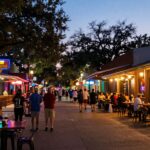
South Congress, or SoCo, deserves its own section because it’s the epicenter of Austin vintage clothing shopping. This stretch of Congress Avenue from roughly Riverside Drive south to Ben White Boulevard has the highest concentration of vintage shops, restaurants, and complementary retail. You can spend an entire day here and still have shops left unexplored.
The neighborhood developed as a vintage destination somewhat organically. South Congress has always been bohemian-leaning, attracting artists, musicians, and students. As the vintage movement grew, shops naturally clustered here. Now it’s the first neighborhood tourists and newcomers visit for vintage shopping. This popularity brings both benefits and challenges.
Benefits include consistent foot traffic that supports inventory quality, established parking options (though sometimes challenging), and nearby amenities like restaurants, coffee shops, and other boutiques. You can build an entire outing around South Congress, combining vintage shopping with breakfast, lunch, or drinks.
Challenges include crowds on weekends, limited parking, and some shops that trend toward tourist-oriented rather than collector-oriented inventory. Not every South Congress shop is worth your time. Some stock low-quality, overpriced items that wear the “vintage” label without delivering actual value. This is where neighborhood knowledge matters. The shops I’ve highlighted in detail throughout this guide are the ones I genuinely recommend.
Pro tip for South Congress shopping: arrive by 10 AM on a weekday if you want to browse comfortably without crowds. Bring cash if you’re flexible on multiple purchases, as some shops offer small discounts. Wear comfortable walking shoes; the stretch is longer than it appears. Start at the north end near Riverside and work your way south, stopping at specific shops rather than popping into every storefront. This approach is more enjoyable than bouncing around randomly.
East Austin Vintage Shops: Eclectic and Artistic Vibes
East Austin’s vintage shops have a distinctly different energy from South Congress. The neighborhood leans artistic, bohemian, and eclectic. Shops tend to carry more unusual pieces, spiritual items, and fashion that embraces individuality over trends. East Austin vintage shopping attracts serious fashion people, artists, musicians, and people building distinctive personal styles. The inventory is less curated-for-tourists and more curated-for-artists.
Charm School Vintage, covered earlier, is the flagship East Austin vintage shop. But the neighborhood has others worth exploring if you have time. The streets around East 6th, East 7th, and South 1st Street have concentrations of vintage, thrift, and specialty shops. Parking is more challenging than South Congress, with limited lots and street parking that fills quickly.
The East Austin community is tighter and more local-feeling. You’ll encounter repeat customers, shop owners who spend time chatting, and a general sense of neighborhood. The walking pace is slower, the atmosphere less frenetic. East Austin vintage shopping feels like exploring rather than consuming.
Price-wise, East Austin shops are generally slightly cheaper than South Congress equivalents, though quality is comparable or better. A dress in East Austin might be $40-$70; the same piece on South Congress might be $50-$80. The difference reflects neighborhood economics rather than quality discrepancies. East Austin shops also tend to offer more payment flexibility, accepting cash, trades, or alternative arrangements.
Other Notable Austin Vintage Shops Worth Your Time
Beyond the major shops detailed above, Austin has several other vintage destinations worth including in your shopping itinerary. Full Circle Vintage on South Congress specializes in Texas heritage pieces: vintage t-shirts, cowboy boots, Texan aesthetics, and classic Americana. If you’re building a Texas-inspired wardrobe or hunting for authentic vintage boots, Full Circle delivers. Prices are fair, ranging from $15-$100 for most pieces. The shop celebrates local music, local brands, and Texas identity without being kitsch about it.
Uncommon Objects in Mueller focuses on antiques, art glass, and quirky collectibles. It’s less about clothing and more about unusual home goods, vintage glassware, art pieces, and objects with personality. If you’re furnishing an artistic apartment or collecting specific items like vintage science fiction book covers or unusual glassware, Uncommon Objects has the kind of inventory that rewards deep browsing. Prices range from $5 for small items to $500+ for significant pieces.
Monkies Vintage and Thrift caters to students and budget-conscious shoppers. It’s more thrift store than curated vintage, meaning you’ll find volume over curation. Prices are genuinely cheap, with many items under $20. Quality is mixed; you’re mining for gold rather than browsing finished selections. If you have time and patience, Monkies yields good finds. If you want reliable quality, stick with the curated shops detailed earlier.
Prisma Vintage offers affordable, fresh vintage with a wide rotating selection. The shop updates frequently, giving reasons to return. Prices undercut South Congress equivalents while maintaining decent quality. It’s a good middle-ground option if you want variety without paying for South Congress premium positioning. The aesthetic leans bohemian with eclectic mixing of eras.
How to Shop Vintage in Austin: Practical Guide for Visitors and Newcomers
Shopping vintage successfully requires different skills than shopping contemporary retail. Here’s what I’ve learned from eight years of Austin vintage shopping:
Know Your Sizes and Fit Expectations
Vintage sizing is inconsistent. A 1970s size 8 might fit like a modern 6. European sizing differs from American sizing. Hand-wash-only pieces require commitment. Before you shop extensively, try on multiple items to understand how vintage pieces fit your body. Many vintage shops allow returns or exchanges, but availability isn’t guaranteed. Shopping informed about your actual needs prevents frustration.
Examine Condition Carefully
Vintage doesn’t mean perfect. Fading, minor stains, small holes, and repairs are normal. Quality shops disclose these things and price accordingly. A $15 shirt with a tiny hole isn’t the same as a $60 perfect-condition shirt. Look carefully at seams, fabric integrity, and closures. Ask questions about condition if you’re unsure. Reputable shops answer honestly; fly-by-night operations hide problems.
Understand Pricing
Vintage pricing isn’t arbitrary. Rare pieces, excellent condition, designer labels, and desirable eras command higher prices. A 1950s Pendleton shirt justifiably costs more than a 1980s generic t-shirt. A pristine dress costs more than one requiring repair. South Congress pricing is higher than East Austin pricing due to foot traffic and overhead, not quality differences. Understand these factors before deciding a price is unfair.
Build Relationships with Shop Staff
Shop owners and staff are repositories of knowledge. They can date pieces, explain care requirements, offer styling suggestions, and sometimes hold items if you find something you love but need to think about. Regular customers get discounts, first notification of new inventory, and special access. If you find a shop you love, develop a relationship with the owner or staff. These relationships pay dividends through better shopping experiences.
Visit Multiple Times
Vintage inventory changes. Shops that restock frequently offer different finds on different visits. If you love a shop, return regularly. You’ll discover pieces that match your developing style as you understand the shop better. Regular visits also build those staff relationships mentioned above.
Shop Off-Peak Times
Weekday mornings are genuinely better for vintage shopping than weekend afternoons. You’ll find items in better condition, spaces for browsing, and staff attention. South Congress on Saturday afternoon is crowded, tourist-heavy, and less enjoyable than Tuesday morning. Plan accordingly based on your shopping style.
Vintage Shopping by Style and Era
Different Austin shops excel at different eras and aesthetics. Here’s a quick guide to matching shops with what you’re actually seeking:
1950s and 1960s Fashion
Room Service Vintage excels with dresses, accessories, and home goods from these decades. Prototype Vintage carries specific 1960s pieces. If you’re hunting authentic 1950s-1960s clothing, these shops should be priority visits.
1970s and 1980s Aesthetic
Prototype Vintage dominates the 1970s category. Charm School Vintage carries 1970s dresses and bohemian pieces. American Drifter has 1970s leather and concert apparel. For comprehensive 1970s selection, visit Prototype first, then supplement with other shops based on specific pieces.
Bohemian and Festival Style
Charm School Vintage is purpose-built for bohemian aesthetic. American Drifter carries boho-adjacent pieces with rock-and-roll edge. Prisma Vintage also leans bohemian. If you’re building a festival wardrobe or bohemian everyday style, these shops deliver.
Texas Heritage and Cowboy Aesthetic
Full Circle Vintage specializes in this category. American Drifter carries complementary pieces. If you want authentic Texas vintage, Full Circle is essential.
Mid-Century Furniture
Room Service Vintage and Revival Vintage both offer substantial mid-century furniture selection. Room Service is slightly larger; Revival Vintage has community events. Both are excellent; your choice depends on specific piece hunting or community interest.
Witchy, Mystical, and Alternative Fashion
Charm School Vintage is specifically designed for this aesthetic and carries clothing, crystals, and spiritual items. No other Austin shop combines this aesthetic as comprehensively.
Sustainable Shopping and Why Vintage Matters in Austin
Austin’s embrace of vintage shopping connects to deeper values around sustainability, anti-consumerism, and environmental responsibility. The city’s “Keep Austin Weird” ethos extends to shopping choices. Buying vintage is a direct action against fast fashion and disposable culture.
Every vintage piece you purchase represents a garment that won’t end up in a landfill. Textile waste is significant; Americans generate about 85 pounds of textile waste per person annually. Buying vintage directly prevents that waste. Additionally, vintage shopping supports small local businesses rather than multinational corporations. The money you spend at American Drifter stays in Austin. The attention you give a vintage piece connects you to its history and previous wearers.
Austin’s vintage community embraces these values genuinely, not performatively. Shop owners aren’t greenwashing; they’re actually reducing consumption. Customers aren’t checking sustainability boxes; they’re building meaningful relationships with objects. This authentic commitment is why Austin’s vintage scene feels different from vintage shopping in other cities. It’s integrated into local culture rather than being a tourist novelty.
If sustainability matters to you, vintage shopping aligns with those values directly. You’re supporting businesses that promote reduced consumption, quality over quantity, and circular economy principles. Austin’s vintage shops make that choice accessible and enjoyable.
Frequency Asked Questions About Austin Vintage Shopping
What is the best time of year to visit Austin vintage shops?
Weekday mornings year-round beat weekend afternoons consistently. Inventory is fresher, crowds are minimal, and staff has time to engage. If you’re visiting Austin specifically for vintage shopping, plan a weekday rather than weekend trip. Spring and fall bring fresh inventory as people rotate seasonal clothing. Summer is peak tourist season, making South Congress crowded but bringing traffic that sustains shop quality.
Do Austin vintage shops accept returns or exchanges?
Most reputable Austin vintage shops accept returns or exchanges within a reasonable timeframe (usually 7-14 days) if items are unworn and in original condition. Policies vary by shop, so ask before purchasing if you’re unsure. Red flags include shops refusing to discuss returns or becoming defensive when asked. Established shops like American Drifter, Room Service Vintage, and Revival Vintage have clear policies because they’re confident in inventory quality.
How much should I expect to spend on vintage shopping in Austin?
Vintage prices vary dramatically based on rarity, condition, era, and location. Budget $20-$100 for quality clothing pieces, $50-$300 for statement pieces, and $100-$1,500+ for furniture. South Congress shops price higher than East Austin equivalents. Quality shops price fairly; bargain shops sometimes price unreasonably. A reasonable rule: if you’re unsure if a price is fair, ask the staff for justification. Honest shop owners can explain why a piece costs what it does.
Are Austin vintage shops good for finding specific items?
Austin vintage shops excel at surprise discoveries but are unreliable for sourcing specific items. You might visit five times before finding that exact 1960s dress you want. However, quality shops like American Drifter and Charm School Vintage allow requests. Staff can contact you if the specific item arrives. This works better than hunting directly. If you need a specific vintage piece urgently, thrift stores and online platforms might be more reliable than physical vintage shops.
How do I care for vintage pieces after purchasing?
Always ask shop staff for care recommendations. Vintage fabrics require different treatment than modern synthetics. Hand washing is common for older pieces; dry cleaning works for sturdy items. Store vintage clothing in acid-free tissue, sealed containers, or cedar chests to prevent moths and damage. Never use hangers for heavy vintage coats or dresses. Fragile lace or silks need special consideration. The price you paid reflects quality that deserves proper care.
What makes a vintage shop authentic versus a thrift store?
Authentic vintage shops curate inventory for quality, rarity, and desirability. Clothing is clean, well-organized, and priced according to condition and era. Staff knows inventory thoroughly and can discuss pieces knowledgeably. Thrift stores accept bulk donations with minimal curation, creating volume over quality. Thrift stores price low because they’re moving volume. Vintage shops price fairly because they’ve invested in curation. Both serve purposes; understand the difference before evaluating prices and quality. Austin’s best shops are genuinely curated, not just secondhand retail.
Getting Around Austin for Vintage Shopping
Austin’s geography matters for vintage shopping. The city sprawls, making strategic routing essential. South Congress shops cluster tightly; you can visit multiple shops in two hours. Room Service Vintage and Revival Vintage are in South Austin, accessible by the same trip. Charm School Vintage requires East Austin navigation with different parking. American Drifter and Prototype Vintage are both on South Congress but blocks apart.
Driving is standard in Austin; most shops have nearby parking, though South Congress parking challenges are real. Rideshare works if you’re not comfortable driving. Public transit doesn’t effectively connect vintage shops, making rideshare or driving necessary. Parking apps like SpotHero show available lots near South Congress.
Many locals build vintage shopping into broader Austin days: coffee at a South Congress cafe, vintage shopping, lunch, other retail. Plan accordingly rather than viewing vintage shopping in isolation. This approach reduces travel time and makes the day more enjoyable.
Supporting Local: Why Independent Vintage Shops Matter
Austin’s vintage shops are mostly independently owned by people who care about their communities. Shopping here means supporting local entrepreneurs, artists, and vintage enthusiasts who’ve invested their own capital and time. This differs fundamentally from shopping chain thrift stores or online vintage marketplaces.
Supporting independent shops strengthens Austin’s cultural identity. These businesses attract interesting people, create gathering spaces, and maintain neighborhoods that big-box retail wouldn’t. They employ neighbors, pay local taxes, and contribute